5 hours ago
Is a Fine Dining Restaurant Worth the Experience?
Dining out is no longer just about satisfying hunger. For many people, it has become an opportunity to explore new flavors, enjoy quality time, celebrate special occasions, and experience something beyond an ordinary meal. Fine dining restaurants offer a combination of carefully prepared dishes, elegant surroundings, attentive hospitality, and thoughtful presentation. However, one question often comes to mind before making a reservation: Is a fine dining restaurant really worth the experience?
The answer depends on what diners value most. Some people prioritize exceptional food, while others appreciate the atmosphere, personalized service, and opportunity to discover new culinary experiences. For those exploring the Best Fine Dining Restaurant in As Sahafa (https://www.thecarnivorere... understanding what makes fine dining different can help them decide whether the experience matches their expectations. From food quality and presentation to comfort and dining etiquette, several factors contribute to making a restaurant visit memorable.
1. What Makes a Fine Dining Restaurant Different?
Fine dining is distinguished by its attention to detail. Unlike casual restaurants, where convenience and speed are often the main priorities, fine dining establishments focus on creating a complete experience. Every element, from the menu and table arrangement to the way dishes are served, contributes to the overall impression.
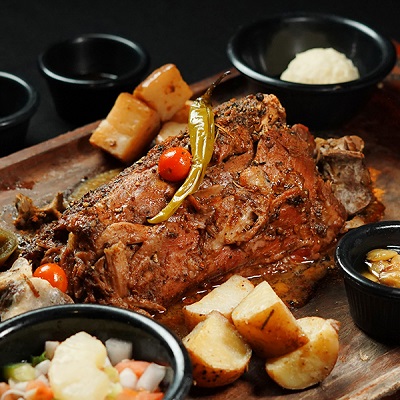
One of the most noticeable differences is the approach to food preparation. Fine dining kitchens often emphasize ingredient quality, cooking techniques, flavor balance, and presentation. Dishes are carefully developed to offer a combination of textures, aromas, and flavors that create a more engaging dining experience.
The atmosphere also plays an important role. Comfortable seating, carefully selected lighting, tasteful interiors, and a welcoming environment help diners relax and enjoy their meals. These details can make an ordinary evening feel more special.
Another defining feature is attentive service. Restaurant staff are generally trained to understand the menu, explain ingredients, respond to dietary preferences, and provide ******* istance throughout the meal. This level of attention allows diners to focus on enjoying their experience rather than worrying about the details.
2. Is Fine Dining Worth the Investment?
Whether fine dining is worth the investment depends on the value a person places on food, service, atmosphere, and overall enjoyment. Although these restaurants may involve a greater financial commitment than casual dining options, the experience often includes several elements that go beyond the food itself.
For example, a carefully prepared meal can introduce diners to ingredients and cooking methods they may not encounter in everyday restaurants. Skilled chefs combine traditional culinary knowledge with creative techniques to develop distinctive dishes.
The experience can also provide an opportunity to slow down. Instead of rushing through a meal, diners can enjoy multiple courses, appreciate the presentation, and spend meaningful time with friends, family members, or colleagues.
Fine dining may be particularly worthwhile for occasions such as:
Birthday celebrations and anniversaries.
Romantic dinners and special dates.
Business meetings and professional gatherings.
Family celebrations and important milestones.
Personal occasions that deserve something different.
Culinary exploration and discovering new flavors.
Ultimately, value is not determined by the amount spent alone. It also comes from the quality of the experience, the satisfaction of the meal, and the memories created during the visit.
3. The Importance of Food Quality, Nutrition, and Ingredient Selection
Food quality is one of the most important reasons people choose fine dining. A memorable restaurant experience begins with carefully selected ingredients and thoughtful preparation. Freshness, flavor, texture, and cooking methods all influence how enjoyable and satisfying a meal can be.
Fresh Ingredients and Thoughtful Preparation
Quality ingredients can make a noticeable difference in the taste and texture of a dish. Restaurants that prioritize ingredient selection often pay attention to freshness, sourcing, storage, and preparation techniques.
Cooking methods also influence the final nutritional characteristics of food. Grilling, roasting, steaming, and baking can offer different results compared with deep-frying or preparations involving heavy sauces. However, the overall nutritional value depends on the ingredients, portion sizes, cooking fats, and accompanying components.
Can Fine Dining Support Healthier Eating Habits?
Fine dining is not automatically healthier than other restaurant experiences. However, a thoughtfully designed menu can provide opportunities to make balanced food choices.
Diners interested in maintaining a balanced diet may consider several factors:
Protein selection: Meals containing fish, poultry, eggs, or suitable plant-based proteins can contribute to daily protein requirements.
Vegetable variety: Vegetable-based sides can provide dietary fiber, vitamins, and minerals.
Cooking methods: Grilled, roasted, and baked dishes may be suitable alternatives to heavily fried options.
Portion awareness: Enjoying food at a comfortable pace can help diners recognize their natural fullness signals.
Sauce selection: Requesting sauces separately can help individuals manage their preferred level of richness.
Dietary requirements: Informing restaurant staff about allergies or food sensitivities can help them identify suitable menu options.
A balanced approach allows diners to enjoy an elevated culinary experience without feeling that they must compromise their general eating preferences.
4. Atmosphere, Presentation, and Personalized Hospitality
Fine dining is about more than what appears on the plate. The surrounding environment influences how people perceive food, comfort, and overall satisfaction.
An Environment That Encourages Relaxation
The atmosphere of a restaurant can significantly affect the dining experience. Soft lighting, comfortable furniture, appropriate background music, and well-organized seating help establish a pleasant environment.
For many diners, this atmosphere creates a welcome break from busy schedules. It provides an opportunity to disconnect from everyday responsibilities and spend quality time with others.
Restaurant design also contributes to the experience. Elegant interiors, coordinated table settings, and thoughtful decoration can make guests feel that their visit has been carefully considered.
The Role of Professional Service
Good hospitality is another reason people appreciate fine dining. Professional restaurant staff understand that every guest may have different expectations and preferences.
Some diners may need recommendations because they are unfamiliar with the menu. Others may have specific ingredient restrictions or prefer particular cooking methods. Attentive staff can help explain available options and communicate requests to the kitchen.
Personalized service should feel welcoming rather than overwhelming. The best dining experiences often come from staff members who are available when needed while allowing guests to enjoy their conversations and meals comfortably.
Presentation is equally important. A beautifully arranged dish can create anticipation before the first bite. The colors, textures, portion arrangement, and serving style all contribute to the overall appeal.
5. How to Choose the Right Fine Dining Restaurant in As Sahafa
Choosing the right restaurant requires more than looking at photographs or selecting the most impressive interior. Diners should consider their expectations, preferred cuisine, dietary needs, and the purpose of their visit.
As Sahafa offers dining opportunities for people looking to enjoy different culinary experiences. When comparing restaurants in the area, a few practical considerations can make the decision easier.
Explore the Menu
A restaurant's menu should reflect the preferences of its intended guests. Reviewing available dishes beforehand can help diners determine whether the selection matches their tastes and dietary requirements.
It is also useful to check whether the menu provides sufficient variety for different preferences, including lighter options and dishes with different protein choices.
Consider the Dining Environment
The atmosphere should match the occasion. A relaxed dinner with friends may require a different setting from a romantic celebration or a professional meeting.
Looking at restaurant photographs and reading recent customer feedback can provide a better understanding of the environment.
Check Hospitality and Customer Feedback
Reviews can offer useful information about service quality, food presentation, cleanliness, and the overall guest experience. However, individual opinions may differ, so it is better to consider recurring feedback rather than relying on a single review.
Review Dietary Accommodation
People with allergies, food sensitivities, or specific dietary preferences should check whether the restaurant can accommodate their requirements. Clear communication before ordering is especially important for individuals who need to avoid particular ingredients.
Consider Convenience
Location, parking availability, reservation options, and accessibility can also influence the experience. A restaurant that is easy to reach and offers a comfortable setting may make the entire outing more enjoyable.
6. Who Can Benefit Most from a Fine Dining Experience?
Fine dining is suitable for a wide range of people, although the reasons for choosing it may differ.
Cou